Huffleheim: The Serif Typeface for Modern Editorial Design
There is a specific moment in every design project when the visual identity begins to take shape. It often happens late at night, staring at a blank canvas or an empty page, searching for that one element that will anchor the entire layout. For my recent project—a digital wedding guide meant to feel both timeless and intimate—I needed a typeface that could carry weight without feeling heavy. I was looking for something that whispered elegance rather than shouting it. That search led me directly to Huffleheim, a serif font that has quietly become my go-to choice for premium editorial work.
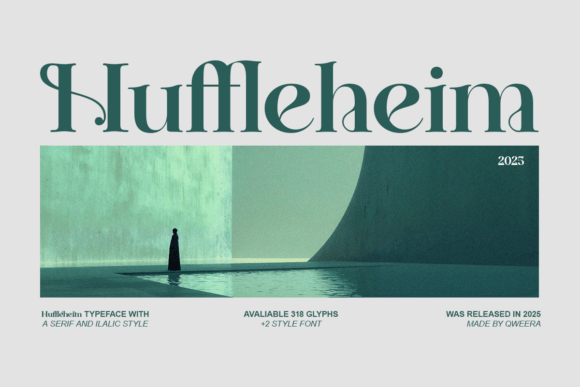
Huffleheim is not just another decorative typeface; it is a modern classic built on elegant proportions and high-contrast construction. When you first open the file, the rhythm of the letters feels familiar yet distinct. It possesses a sophisticated balance that bridges the gap between traditional print heritage and contemporary digital needs. In a world where screens dominate our reading experience, finding a serif font that retains its character while remaining legible on mobile devices can be challenging. Huffleheim solves this by offering a refined structure that guides the eye naturally across the page.
Defining the Mood of Your Publication
The personality of a publication is largely dictated by its typography. If your goal is to create a sense of authority, trust, and sophistication, the right typeface does half the work for you. Huffleheim brings a calm, editorial atmosphere to any layout. Its high-contrast strokes add a touch of luxury, making it perfect for branding materials that need to stand out in a crowded marketplace. Whether you are designing a logo for a boutique lifestyle brand or setting the title for a coaching workbook, the font's inherent grace elevates the perceived value of the content.
I tested Huffleheim extensively on a recipe ebook I was developing. The challenge with food design is balancing warmth with clarity. Too much ornamentation can make text hard to read, while too little can feel sterile. Huffleheim struck the perfect chord. Using it for chapter headers and pull quotes created a visual hierarchy that felt organic. The font's unique curves and sharp terminals gave the recipes a polished look, similar to what you might find in a high-end magazine, without overwhelming the actual instructions.
Where Huffleheim Shines in Layouts
This premium font excels in specific areas of editorial design where impact is required. It is particularly effective as a display font for headlines, cover text, and section dividers. Because of its strong visual presence, it draws attention immediately, making it ideal for newsletter graphics or social media posts that need to stop the scroll. However, its versatility extends beyond just titles. With careful sizing, it works beautifully for body copy in long-form content, provided the contrast remains balanced.
- Blog Headers: Use Huffleheim to establish a consistent brand voice across all articles.
- Ebook Covers: Its elegant proportions make book titles pop against various background images.
- Printable Guides: The clean lines ensure readability even when printed on smaller paper sizes.
- Editorial Features: Perfect for drop caps and introductory paragraphs in digital magazines.
Readability and Screen Performance
One of the most critical considerations for modern designers is how a font performs on different screens. Many decorative serifs struggle with pixelation on smaller displays, but Huffleheim maintains its integrity. I found that the letter spacing and x-height were optimized well enough that even detailed text remained crisp on retina displays and standard mobile phones. This makes it a reliable choice for PDF exports, course materials, and web-based newsletters.
When working on a digital planner or a printable worksheet, clarity is paramount. Users need to scan information quickly and understand the structure of the document. Huffleheim supports this through its clear distinction between uppercase and lowercase forms. The high-contrast construction adds visual interest without sacrificing legibility. For longer reading sessions, such as in a blog post or an article feature, pairing Huffleheim with a simpler sans serif font for body text can create a dynamic yet harmonious reading experience.
Mastering Font Pairing for Editorial Design
No design asset exists in isolation. To truly unlock the potential of Huffleheim, it helps to pair it thoughtfully. Since Huffleheim is a display-heavy serif with strong personality, it pairs exceptionally well with clean, neutral sans serif fonts for secondary text. A geometric sans serif can provide excellent contrast for captions, navigation menus, and call-to-action buttons. Alternatively, if you want a more cohesive, monochromatic look, you can pair it with a lighter weight version of itself or a simple humanist serif.
In my own workflow, I often use Huffleheim for the primary headline and a minimalist sans serif for the subheadings and body copy. This combination creates a clear visual hierarchy that leads the reader through the content effortlessly. It allows the Huffleheim to do the emotional work of setting the mood, while the supporting font ensures the information is delivered clearly. This strategy is essential for maintaining audience engagement and ensuring that your message is understood.
Technical Details and Licensing Considerations
Before integrating Huffleheim into a commercial project, it is wise to review the included styles and alternates. Most quality commercial fonts come with a suite of weights, from light to bold, along with specialized characters like ligatures and old-style figures. These features allow for nuanced design choices that elevate the overall aesthetic. For instance, using old-style figures in a narrative text can improve the flow of numbers within sentences, adding a layer of typographic sophistication.
Multilingual support is another crucial factor for global creators. Checking whether the font supports extended character sets ensures that your designs remain accessible to diverse audiences. Furthermore, always verify the licensing terms before using the font in products like templates, paid newsletters, or client publications. Understanding whether you need a desktop license, a web font license, or an app license protects your business and respects the creator's intellectual property.
The decision to use Huffleheim is ultimately about curating a better reading experience. It is a tool for designers who care about the nuance of their craft and the comfort of their readers. By choosing a modern typography solution that balances tradition with innovation, you create a foundation for content that feels professional, trustworthy, and enduring. Whether you are launching a new brand identity or simply refining your next blog post, Huffleheim offers the structural beauty and editorial charm needed to make your work shine.
As you move forward with your creative projects, remember that the right font pairing can transform a good layout into a great one. Take the time to experiment with Huffleheim in different contexts—perhaps as a handwritten accent alongside a script font, or as a solid anchor in a complex grid system. The possibilities are vast, and the results speak for themselves. Let your design tell a story, and let Huffleheim help you tell it with grace.