Methane Typeface: A Modern Sans Serif for Web Design
I remember the exact moment I knew a new typeface was needed for my latest client project. It was a Friday afternoon, and I was staring at a landing page that felt flat. The hero section had a strong image, but the headline text was fighting for attention against the background. We were using a standard system font, something safe but forgettable. That is when I decided to test Methane. As a contemporary sans serif typeface engineered for clarity, power, and flexibility within modern design systems, it promised to bring the geometric confidence our brand identity lacked. This review explores how Methane performs in real-world web layouts, from high-impact headers to responsive mobile views.
First Impressions: Geometric Confidence in the Hero Section
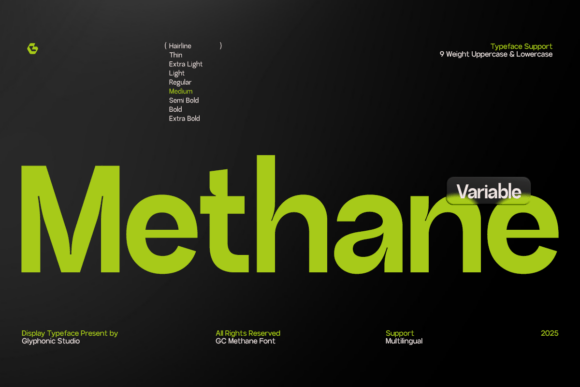
When I first dropped Methane into the hero section of a boutique online store layout, the change was immediate. The font's clean geometric foundations give it a distinct presence without feeling cold or overly industrial. Unlike many display fonts that demand attention through decoration, Methane commands respect through its confident proportions and balanced stroke weights. It sits perfectly on the screen, anchoring the visual hierarchy instantly.
In a digital environment where users scan rather than read, the personality of a typeface matters immensely. Methane offers a modern typography style that feels professional yet approachable. When I tested it as a main headline over a dark product banner, the white space within the letters remained crisp. There was no bleeding or loss of detail, even with the contrast settings pushed to the limit. This is crucial for web design where readability on various screens is non-negotiable. The font acts as a silent ambassador for the brand, signaling quality and reliability before the user even reads the subheadline.
The versatility of this premium font shines when you consider different use cases. Whether it is a SaaS founder launching a new feature or a creative portfolio showcasing recent work, Methane adapts to the mood. It does not scream; it speaks with authority. For a course sales page, I found that using Methane for the main title created an instant sense of trust. It feels established, like a brand that has been around for years, which is exactly what you want when asking visitors to commit their time or money.
Visual Hierarchy and Scanning Behavior
One of the most critical aspects of digital design is guiding the user's eye. Methane excels here because of its clear letterforms. In a busy interface, dense information can overwhelm a visitor. However, when used for section headings or call-to-action areas, the font creates a natural stopping point. The geometric structure helps the brain process the text quickly, reducing cognitive load.
I specifically tested Methane on a campaign landing page designed for a coaching website. The goal was to highlight key benefits in a list format. By using the bolder weights of the typeface for the bullet points and a lighter weight for the descriptions, I achieved a clean separation of information. This font pairing strategy works exceptionally well with simple sans serif fonts for body copy, creating a cohesive look that feels intentional and polished. The result was a layout that encouraged scanning, allowing potential clients to grasp the value proposition in seconds.
Performance Across Devices and Responsive Layouts
A font might look stunning on a desktop monitor, but the true test is how it behaves on a mobile device. With the majority of web traffic coming from smartphones, responsive design is paramount. I spent hours adjusting Methane across various breakpoints, from large 4K displays down to compact iPhone screens.
The legibility of Methane holds up remarkably well at smaller sizes. While it is primarily a display font suited for headlines and short phrases, certain weights remain readable even when scaled down for mobile navigation or small buttons. This is a significant advantage for designers who want a unified brand identity across all touchpoints. When I placed the font on a dark background for a mobile ad graphic, the contrast was sharp, ensuring the message was clear regardless of ambient lighting conditions.
- Mobile Readability: The open counters and consistent stroke width prevent text from looking muddy on low-resolution screens.
- Responsive Scaling: The typeface scales smoothly, maintaining its geometric integrity whether it is a massive hero header or a subtle UI element.
- Image Overlays: When placed over complex images, the clean lines of Methane cut through visual noise better than more decorative options.
However, there are limitations to keep in mind. For long paragraphs of body copy, Methane might feel too structured or heavy compared to a dedicated body typeface. In those instances, pairing it with a softer serif font or a neutral sans serif font is the best approach. This combination balances the boldness of the display text with the comfort required for extended reading.
Accessibility and User Experience Considerations
As a designer, I am always mindful of accessibility. Methane generally scores well due to its clear character differentiation, which aids users with visual impairments. The distinct shapes of 'a', 'e', and 'o' make them easy to distinguish, a common issue with some geometric fonts. Nevertheless, for accessibility-heavy interfaces or dashboards with dense data, caution is advised. Small navigation text or form labels should be tested carefully to ensure they meet WCAG standards, especially if using thinner weights.
For social media graphics and digital ads, the font's impact is undeniable. Its modern aesthetic aligns perfectly with current trends in brand identity. Whether designing a promotional banner for a limited-time offer or a thumbnail for a video series, Methane provides the visual punch needed to stop the scroll. It bridges the gap between corporate professionalism and creative flair, making it a versatile tool in any design assets library.
Technical Integration and Licensing for Commercial Use
Beyond aesthetics, the practicalities of implementation matter. Before integrating Methane into a client's website, I checked the included styles, file formats, and multilingual support. The typeface system offers a comprehensive range of weights, from light to black, providing ample flexibility for typographic layering. This variety allows designers to create nuanced hierarchies without switching families.
Webfont availability is another key factor. The font files load efficiently, contributing to fast-loading visual content. In an era where page speed directly impacts SEO and user retention, every millisecond counts. Methane does not bog down the browser, ensuring a smooth experience for visitors. Additionally, checking the commercial font licensing is essential for anyone building websites for clients or selling digital products. Understanding the terms ensures that your logo design, editorial projects, and web designs remain compliant.
Ultimately, Methane is more than just a collection of letters; it is a strategic design choice. It brings a sense of order and modernity to digital spaces that often feel chaotic. By testing it in real scenarios—from hero sections to mobile banners—I have seen how it elevates the perceived quality of a website. For web designers, UI specialists, and digital creators looking to refine their creative font toolkit, Methane is a powerful addition that delivers both beauty and function.