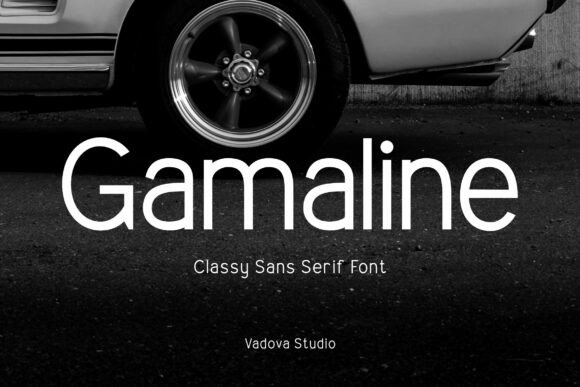
Gamaline: A Classy Sans Serif for Modern Editorial Design
The moment I opened the new design brief, the challenge was immediate. We were redesigning a digital lifestyle magazine that needed to feel fresh but retain its established authority. The previous layout relied on heavy, geometric sans serifs that felt a bit cold for our warm, narrative-driven content. I spent an afternoon scrolling through type libraries, looking for something that could bridge the gap between modern simplicity and refined elegance. That is when Gamalaline caught my eye.
This classy sans serif typeface immediately offered the balance I was searching for. It isn't just another clean font; it possesses a rhythm that feels intentional. When I placed it in the header of our editorial feature page, the difference was subtle yet profound. The clean lines and smooth curves created a sophisticated tone without overpowering the photography or the text below it. For any designer working on a publication identity, finding a typeface that supports both visual hierarchy and reader attention is critical.
Setting the Mood with a Refined Typeface
In editorial design, the mood is often set before a single word is read. Gamaline excels at establishing this atmosphere. Unlike some display fonts that demand attention through aggression, Gamaline invites the reader in with a calm confidence. Its balanced spacing ensures that headlines breathe, preventing the cramped look that can make a digital magazine feel cluttered on smaller screens.
I tested this font extensively across different layouts, from a wedding guide cover to a coaching workbook. In the wedding guide, Gamaline served as the perfect primary font for titles and section headings. The soft edges softened the overall aesthetic, making the dense information feel approachable rather than formal. Similarly, for the coaching workbook, the font's clarity helped break up long-form content into digestible sections. It proved that a premium font like this can handle structural roles effectively, guiding the eye naturally from the chapter opener down to the body copy.
However, it is important to recognize where a typeface fits best. While Gamaline is excellent for titles, subtitles, pull quotes, and cover text, it might not be the ideal choice for dense paragraphs of body copy. Its expressive character, while beautiful, can become fatiguing over long reading sessions. For extended reading, especially in PDF exports or e-books, pairing it with a highly legible serif font is the standard practice. This combination allows the headline to carry the brand identity while the serif handles the heavy lifting of readability.
Building Hierarchy in Digital Publications
One of the most practical applications of Gamaline is in creating clear visual hierarchy. When designing a newsletter graphic or a social media asset, you need elements that stand out without screaming for attention. I used Gamaline for the main headers in a recent course PDF, and the results were striking. The font's distinct weight variations allowed me to create a clear distinction between the course title, module headers, and key takeaways.
- Cover Text: The smooth curves make it perfect for large-scale typography on magazine covers or book jackets.
- Pull Quotes: Using Gamaline for emphasis in the middle of an article draws the reader back into the flow of the story.
- Section Headings: Its refined nature keeps the structure organized without feeling rigid.
This versatility makes it a valuable asset for creative font projects ranging from logo design to packaging design. Whether you are a blogger redesigning a blog header or a publisher creating a printable planner, Gamaline offers the stability needed for professional output. It handles the transition from screen to print beautifully, maintaining its crisp lines whether viewed on a mobile device or printed on high-quality paper.
Practical Considerations for Content Creators
When integrating a new sans serif font into a commercial project, there are technical details that must be addressed. Before purchasing a commercial font license, it is wise to check the included styles, alternates, and ligatures. Gamaline comes with a robust set of weights that support various design needs, ensuring you have enough variety for bold headlines and lighter subtext. Additionally, verifying multilingual support is crucial if your audience spans different regions, as many modern typefaces now include extensive language packs.
For those creating digital products like templates or paid newsletters, understanding file formats is essential. Most premium fonts come in .otf and .ttf formats, which are compatible with major design software and web platforms. However, always review the licensing terms regarding embedding in PDFs or using in client publications. Some licenses restrict usage in certain contexts, so ensuring compliance protects your work and your clients.
Pairing is another vital aspect of successful editorial design. Since Gamaline is a display-friendly sans serif, it pairs exceptionally well with classic serif fonts for body text. Imagine a recipe ebook where Gamaline introduces each dish with style, while a traditional serif font guides the reader through the ingredients and instructions. Alternatively, for a more minimalist web design, pairing it with a neutral sans serif for navigation and captions creates a cohesive, modern look. The key is to let Gamaline shine as the voice of the brand while letting other fonts handle the functional reading tasks.
Why This Font Fits Your Brand Identity
In a crowded digital landscape, having a unique typeface can define your brand identity. Gamaline brings a sense of refinement that elevates any content it touches. It signals to your audience that you care about the details, from the spacing of your letters to the overall mood of your publication. Whether you are building a digital magazine layout or simply updating your website's typography, this font offers a timeless quality that resists fleeting trends.
Ultimately, choosing the right font is about supporting your content, not just decorating it. Gamaline does exactly that. It provides a calm, expert backdrop that allows your stories, recipes, and ideas to take center stage. By testing it in real-world scenarios, from newsletter headers to editorial features, it becomes clear that this is more than just a pretty typeface; it is a tool for effective communication. If you are looking to refine your editorial design with a touch of class, Gamaline is a worthy addition to your collection of design assets.