Cheek: A Wild Typeface for Whimsical Digital Branding
In the crowded landscape of digital product creation, finding a typeface that balances character with usability is often the hardest part of the design process. As a web designer who spends hours tweaking kerning and adjusting line heights, I know that the right font can make or break a user's first impression. Enter Cheek, an enchanting decorative font that roots your designs in the natural world. This isn't just another display font; it is a tool that captures a wild-and-whimsical soul, perfect for brands looking to stand out without sacrificing professional polish.
The Visual Personality of Cheek in Digital Layouts
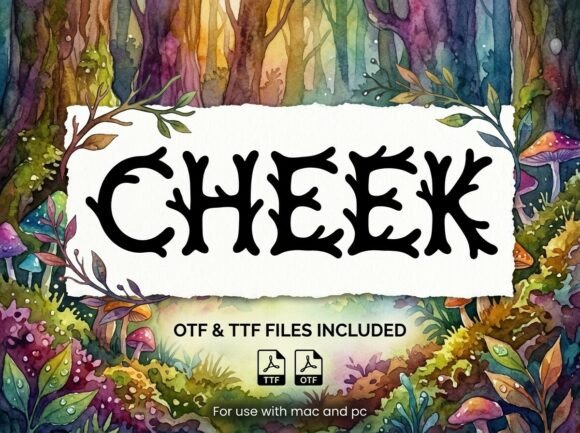
Cheek distinguishes itself through tall, illustrative letterforms that feel hand-drawn yet structurally sound. Unlike rigid geometric sans serif fonts or overly ornate script fonts, Cheek offers a unique middle ground. Its visual rhythm mimics the organic growth of a forest, making it ideal for creating a sense of movement and life on static screens. When you drop this premium font into a hero section, it immediately commands attention. The tall x-height and distinctive curves create a vertical emphasis that guides the eye downward, naturally establishing a clear visual hierarchy.
For UI designers working on landing pages, this verticality is crucial. It allows you to create bold headlines that don't overwhelm the layout but instead anchor the content below. Whether you are designing a boutique online store or a creative portfolio, Cheek injects a personality that feels both modern and timeless. It avoids the dated look of many traditional decorative fonts by maintaining clean lines and consistent stroke weights, ensuring it looks sharp on high-resolution Retina displays and mobile devices alike.
Strategic Placement for Maximum Impact
While Cheek is versatile, its power lies in strategic application. In web design, less is often more when dealing with display fonts. I recommend using Cheek primarily for large-scale elements where brand tone needs to be communicated instantly. Think of it as the headline act of your website. It excels in:
- Hero Sections: Use it for the main value proposition to set a whimsical yet confident mood.
- Landing Page Headers: Grab attention within the first three seconds of a user visit.
- Banner Graphics: Perfect for promotional overlays on images or video backgrounds.
- Logo Design: Ideal for brands in lifestyle, wellness, or creative industries seeking a handwritten feel.
However, caution is required. Because Cheek is so expressive, it should generally not be used for body copy or long-form text. The intricate details of the letterforms can reduce readability at small sizes, especially on mobile screens where screen real estate is limited. Instead, reserve Cheek for short phrases, section headings, and call-to-action buttons where the text length is controlled.
Building Trust Through Typography
Typography does more than convey information; it builds trust. A chaotic font choice can signal amateurism, while a well-chosen creative font like Cheek signals intentionality. When users land on a page with a cohesive typographic system, they subconsciously perceive the brand as more reliable. Cheek brings a human touch to digital experiences, which is essential for conversion-focused layouts. It softens the coldness of technology, making interactions feel more personal and engaging.
Consider a coaching website or a course sales page. These products rely heavily on emotional connection. Using Cheek for the course title or the "Enroll Now" button creates a sense of warmth and approachability. It suggests that the content inside is curated with care, much like the font itself. For an online store selling handmade goods, artisanal foods, or eco-friendly products, Cheek reinforces the narrative of craftsmanship and nature. It aligns perfectly with brands that want to communicate authenticity rather than mass production.
Optimizing Readability and Hierarchy
To ensure Cheek performs well across different devices, you must pay close attention to size and contrast. On desktop monitors, you have the luxury of larger point sizes, allowing the illustrative details of the letters to shine. On mobile, however, you need to scale up significantly to maintain legibility. If the font is too small, the "wild" characteristics might turn into visual noise, confusing the reader.
When placing Cheek over image overlays or dark backgrounds, ensure there is sufficient contrast. The white space around the letters is just as important as the letters themselves. Give the typography room to breathe. If you are using Cheek for a button, pair it with a solid background color that contrasts sharply with the text to improve click-through rates. Avoid using it for navigation menus or footer links where quick scanning is required.
Mastering Font Pairing for Web Design
The true magic of Cheek happens when you pair it correctly. Since it is a highly stylized serif font with decorative qualities, it needs a neutral partner to handle the heavy lifting of readability. A simple sans serif font is usually the best choice for body copy. The clean lines of a sans serif will complement the organic curves of Cheek without competing for attention.
For example, if you are building a blog or a content-heavy site, use Cheek for the article titles and section headers, then switch to a highly readable sans serif like Inter, Roboto, or Open Sans for the paragraphs. This combination creates a balanced rhythm that keeps readers engaged. Alternatively, for a more editorial digital identity, you could pair Cheek with a classic serif font. This pairing leans into a sophisticated, literary aesthetic, perfect for magazines, fashion blogs, or luxury brand sites.
Avoid pairing Cheek with other decorative or script fonts. Mixing multiple high-contrast typefaces creates visual clutter and dilutes your brand message. The goal is to let Cheek be the star while the supporting typography remains invisible, guiding the user through the content seamlessly.
Technical Considerations and Licensing
Before integrating Cheek into your projects, check the included file formats and webfont availability. Most modern commercial fonts come in various weights and styles, including italics and ligatures. Ensure you have access to the OpenType features that allow for stylistic alternates, which can add even more flair to your designs. Multilingual support is also worth verifying if your target audience spans different regions.
Finally, always review the licensing terms. Using a font for client projects, online stores, or digital templates requires the appropriate commercial license. Whether you are creating a custom WordPress theme, a Shopify store banner, or a SaaS dashboard, ensure your usage complies with the font creator's agreement. Proper licensing protects your work and supports the designers who create these beautiful assets.
Cheek is more than just a collection of letters; it is a design asset that brings the wild spirit of nature to your digital canvas. By understanding its strengths and limitations, you can create web experiences that are not only visually stunning but also functional and effective. Let your designs take root in the natural world with a typeface that speaks directly to the heart of your brand.